Explaining Career Gaps: How to Turn a Break into a Strength
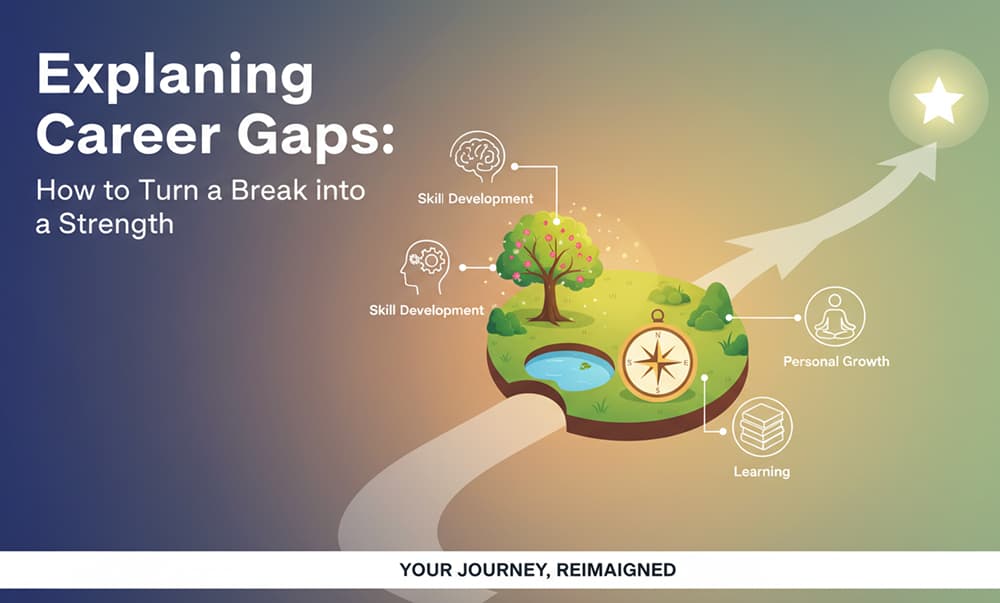
Career gaps are an inevitable part of many professionals' lives, whether due to layoffs, sabbaticals, maternity leave, or other personal reasons. However, when it comes to job applications, these gaps can often be a source of anxiety and uncertainty. How do you explain a break in your employment history without raising concerns about your commitment or abilities? In this guide, we will explore how to handle career gaps effectively and turn them into a strength.
Understanding the Concerns of Hiring Managers
Hiring managers often view career gaps as a risk, wondering what you were doing during that time and whether you have the skills and motivation to get back into the workforce. To address these concerns, it's essential to be proactive and strategic in how you present your career gap. One approach is to use a resume builder that helps you create a strong, ATS-friendly resume that highlights your skills and experience.
Formatting Dates to Minimize Focus on Gaps
When formatting your resume, consider using years only instead of months and years. This can help minimize the focus on the gap and draw attention to your overall experience and achievements. For example, instead of listing 'January 2020 - June 2022', you can use '2020 - 2022'. This simple trick can help shift the emphasis from the gap to your relevant experience and skills.
Describing Unemployed Time as Professional Development
Rather than simply stating that you were 'unemployed' during a career gap, try to frame that time as an opportunity for professional development. Did you take online courses, attend workshops, or participate in freelance projects? Highlight these activities as a way to demonstrate your commitment to ongoing learning and skill-building. You can also use this time to develop a strong cover letter that showcases your skills and experience.
Turning a Break into a Strength
A career gap can be a valuable opportunity to recharge, reflect, and refocus on your career goals. By framing your break as a deliberate choice rather than a setback, you can turn a potential weakness into a strength. Consider the following strategies to make the most of your career gap:
- Emphasize any freelance or consulting work you did during the gap, highlighting your ability to work independently and manage clients.
- Highlight any relevant courses, training, or certifications you completed during the gap, demonstrating your commitment to ongoing learning and professional development.
- Focus on any volunteer or community work you did during the gap, showcasing your skills and character in a non-traditional setting.
Using AI Career Assistant to Optimize Your Resume
An AI career assistant can help you optimize your resume and cover letter, ensuring that you're presenting your skills and experience in the most effective way possible. With the help of AI, you can identify the most critical keywords and phrases to include in your application materials, increasing your chances of passing through applicant tracking systems (ATS) and catching the eye of hiring managers.
Conclusion
Career gaps are a natural part of many professionals' lives, but they don't have to be a source of anxiety or weakness. By formatting your dates strategically, describing your unemployed time as professional development, and emphasizing your skills and experience, you can turn a break into a strength. Remember to use the tips and strategies outlined in this guide to create a strong, ATS-friendly resume that showcases your skills and resilience. Take the first step towards turning your career gap into a valuable experience by building your resume at gethired.work today and discover how our advanced tools and resources can help you succeed in your job search.
Related Articles

How to Write a Winning Cover Letter with AI Assistance
Navigating the European Job Market: CV Standards in Germany and Netherlands
US Resume Format: A Guide for International Job Seekers

Software Engineer Resume: Expert Tips and AI Optimization

Cracking the Code: How to Build an ATS-Friendly Resume in 2026